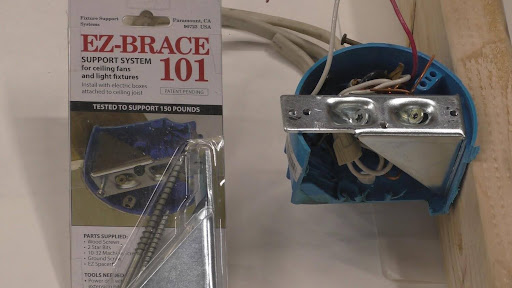
Choosing the right ceiling support is a lot like choosing the right shoes. If the fit is wrong, trouble follows. Ceiling brackets for light fixtures may look simple, but they can be heavy and risky. A poor support choice can lead to shaking, noise, or worse. This guide explains how to pick the correct EZ-Brace model for different ceiling types. Everything is explained in a clear, simple way so even younger readers can follow along with ease.
Why Ceiling Support Is A Big Deal
Ceilings are not all the same. Some are flat. Some are angled. Others hide old wood beams that are not evenly spaced. Because of this, the support system must match the ceiling. A weak bracket for ceiling light fixtures can slowly pull loose. Over time, screws bend. Metal flexes. Gravity wins. That is how damage starts. Ceiling fans add even more stress. They spin. They vibrate. They pull from side to side. That movement makes poor supports fail faster.
Common Ceiling Types Explained Simply
Flat Ceilings
Flat ceilings are the most common. They usually hide wooden beams above the drywall. These beams carry the load.
The challenge is reaching those beams safely without tearing the ceiling apart.
Vaulted Ceilings
Vaulted ceilings slope upward. They look great. However, weight does not push straight down here. Forces move at angles.
This makes strong bracing even more important.
Older Ceilings
Older homes often use uneven framing. Beam spacing may change from one spot to another. Some wood may also be weaker due to age.
This is where adjustable systems shine.
Why Traditional Bar Boxes Are Unsafe
Many stores sell thin metal bar boxes. They are cheap and common. They are also risky. A basic ceiling bracket for light fitting sold this way was never meant for ceiling fans. These boxes bend. They twist. They fail under movement.
Important safety facts:
- Bar boxes are not compliant with the National Electrical Code
- They should never be used in 120-volt household fan setups
- Test videos show them pulling free under stress
These risks are real. That is why experts warn against using them.
How EZ-Brace Solves These Problems
A proper light fixture support bracket must handle weight and movement. EZ-Brace systems do both. They attach directly to strong framing. They do not rely on thin bars. They lock into place. EZ-Brace has no true competition. It is the only mounting method designed and approved for safe ceiling blade or paddle fan installation. Electrical work can be dangerous. EZ-Brace was engineered to reduce risks, especially for DIY users.
Picking The Right EZ-Brace For Your Ceiling
Standard Home Ceilings
Most homes use regular wood beams spaced evenly. For these ceilings, EZ-Brace models that expand between beams work best.
A good ceiling bracket for light fixture spreads weight across both beams. This keeps the ceiling steady and quiet.
Homes With Odd Beam Spacing
Some ceilings have beams that are too far apart or uneven. Adjustable EZ-Brace models handle this easily.
No cutting. No guesswork. Just a secure fit.
Sloped and Vaulted Ceilings
Vaulted ceilings need deeper reach and stronger grip. Certain EZ-Brace models are built just for that job.
They keep fixtures level even when the ceiling is angled.
Why EZ-Brace Is Built For Fans
Fans are not still objects. They move. They shake. They pull. That is why an EZ Brace bracket is made to handle motion, not just weight.
Key strengths include:
- Strong grip on framing
- Resistance to vibration
- Long-term stability
These features stop wobble before it starts.
EZ-Brace For Ceiling Fan Safety
Using EZ Brace for ceiling fan setups is critical. Fans create forces that lights do not.
Bar boxes fail because they flex. EZ-Brace does not.
Safety benefits include:
- Less ceiling damage
- Lower electrical risk
- Better long-term performance
These benefits matter most in family homes.
Simple Steps To Choose The Correct Model
- Look at the ceiling type
- Measure beam spacing
- Check fixture or fan weight
- Decide if the item moves or stays still
- Match these needs to the EZ-Brace model
This clear process removes confusion.
Side-by-Side Comparison
| Fan Safe | No | Yes |
| Code Compliant | No | Yes |
| Vibration Control | Poor | Excellent |
| DIY Friendly | Risky | Safer |
| Long-Term Strength | Weak | Strong |
Where People Look For EZ-Brace Models
Many homeowners ask about where to buy EZ Brace 101. The key is choosing trusted sellers and matching the model to the ceiling. Avoid look-alike products. None offer the same safety design.
Understanding The EZ-Brace 101 Support System
The EZ-Brace 101 support system is a popular choice for standard ceilings. It fits most beam spacing found in modern homes. It works for light fixtures and fan-rated installations when installed correctly. This model balances strength and ease of use.
Why Installation Still Matters
Even the best support needs proper setup. Skilled light fixture installation services help avoid wiring mistakes and loose connections. Electricity is powerful. One wrong step can cause harm. EZ-Brace lowers risk, but careful work still matters.
Why Existing Bar Boxes Must Be Reconsidered
Old bar-style boxes create serious hazards. They were never meant for moving loads. Manufacturers and safety reviewers need to rethink these products. Test videos clearly show failure under stress. Safety should always come first.
Final Thoughts
Choosing the right EZ-Brace model depends on ceiling type, load, and movement. Bar boxes are unsafe and not code compliant. EZ-Brace systems stand alone as the only approved solution for ceiling fans. They were built to reduce risk and improve safety, especially for DIY users. For those ready to make safer choices, Fixture Support Systems offers guidance and trusted solutions. Reaching out for expert help ensures every installation stays secure and worry-free.
FAQs
Q. Can EZ-Brace hold a ceiling fan safely?
Yes. It is designed and approved for fan installations.
Q. Are bar boxes safe for fans?
No. They are not code compliant and can fail.
Q. Do I need attic access to install EZ-Brace?
No. Most models install through the ceiling opening.
Q. Is EZ-Brace good for DIY users?
Yes. It was engineered to reduce installation risks.
Q. Does the ceiling type change which model I need?
Yes. Ceiling structure affects support needs.