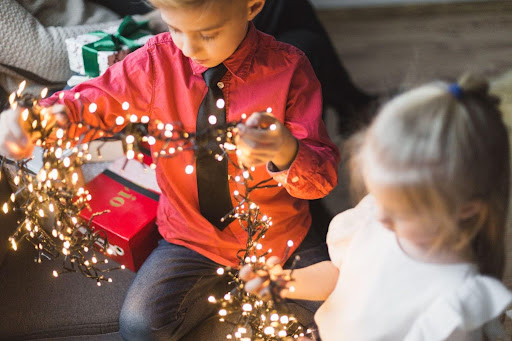
Hanging Christmas lights brings joy and warmth to any home, but when the lights are heavy or oversized, safety becomes extremely important. Installing them with the right support system helps prevent falling fixtures, damage to ceilings, and electrical hazards. Using reliable mounting options such as a light fixture support bracket or a secure ceiling light fixture box ensures your decorations stay safely in place all season long.
Why Safety Is Important When Installing Heavy Holiday Lighting
Installing heavy lighting without proper support can lead to serious risks. Whether indoors or outdoors, every light setup must be able to handle the weight and electrical load safely. Here are key reasons why:
- Prevents falling lights or broken fixtures: Heavy decorations can pull down weak mounting points, damaging ceilings or causing injuries.
- Protects electrical wiring: Loose or overloaded connections may result in sparks or short circuits.
- Maintains structural integrity: Using secure brackets such as a mounting bracket for light or bracket for ceiling light fixture keeps ceilings stable and reduces strain.
- Ensures compliance with safety standards: The EZ-Brace lighting bracket is the only support system that meets National Electrical Code (NEC) requirements. It holds weight independently of the electrical outlet box (NEC Article 422.18).
- Avoids reliance on unsafe fan-rated boxes: Some “fan-rated” boxes are not compliant with NEC safety standards, even if they have been UL-approved. They do not meet the minimum requirement for structural mounting and can fail under unexpected loads.
Keeping these principles in mind helps ensure that heavy Christmas lighting is installed safely, securely, and according to proper building codes.
10 Important Safe Installation Methods For Christmas Lights
Before hanging heavy Christmas lights, it’s important to follow basic safety steps to prevent electrical issues, injuries, or fixture damage. These tips help make sure your holiday setup is both beautiful and secure.
Inspect your lights:
Examine all light strings before installation. Look for cracked wires, loose connections, or damaged sockets. Faulty wiring can cause sparks or overheating when placed under tension or weight. If anything looks worn out, replace the strand instead of risking failure. Testing lights before hanging them also prevents unnecessary climbing and repositioning later.
Choosing The Right Mounting System:
Heavy Christmas lights should never be supported by weak adhesives or unstable hooks. Use secure mounting systems such as a mounting bracket for light or a structurally installed light fixture support bracket to hold weight safely. These help distribute pressure evenly and prevent sagging or pulling against the ceiling surface.
Ladder safety:
Always use a stable ladder when installing lights, especially around ceilings or outdoor roofing. Make sure the ladder is placed on a flat surface and avoid leaning too far to either side. Keep both hands free when climbing by carrying lights in a tool belt or having someone assist from below. Rushing or overreaching increases fall risks.
Avoid Overloading Circuits:
Too many light strings on one outlet can overload the circuit and trip breakers. Check wattage limits and spread displays across different outlets. Heavy-duty décor should not share circuits with heat-producing appliances. Surge protectors and outdoor-rated extension cords add an extra layer of safety when placing heavier lighting installations.
Replace Missing Bulbs:
Gaps from missing bulbs may expose wiring and create potential electrical shorts. Replace burned-out or missing bulbs before hanging lights. A complete circuit ensures better performance and reduces overheating. Matching bulb types and wattage keeps the string functioning as intended and prevents electrical strain.
Use Electrical Boxes:
When hanging lights near fixtures, ensure the support comes from a secure structure, not the wiring itself. A properly installed ceiling light fixture box or box for light fixture keeps the electrical connection protected. According to NEC Article 327, electrical boxes must be securely attached to the structure-not floating or held in place by expandable screw mechanisms.
Choose The Right Cord:
Use outdoor-rated cords for exterior installations and insulated cords for indoor projects. Avoid running extension cables through windows or doors where pressure can damage insulation. Lay cords flat against walls or ceilings to prevent stress and maintain a clean, safe setup.
Prevent Tripping Hazards:
Keep wires away from high-traffic paths. Use cord clips to secure extension lines along edges or behind furniture. Avoid running cables under rugs where heat can build up or friction can wear through insulation over time. Planning cable routes in advance can prevent accidents.
Never Use Staples, Tacks Or Nails To Hang Lights:
Metal fasteners can pierce through wiring and expose live electrical lines. Instead of nails or tacks, use plastic clips or mounting brackets designed for secure support. This prevents shock risks, short circuits, and wire damage, especially when installing heavy or high-tension lights.
Use The Right Equipment:
Only use tools designed for electrical and mounting work. If you need additional support for weight, choose approved mounting options such as a bracket for ceiling light fixture or a secure ceiling bracket for light fitting to carry the load properly. Using the correct hardware reduces strain on structures and helps keep lights steady and safe.
Common Installation Mistakes To Avoid:
When hanging heavy Christmas lights, small mistakes can lead to safety risks, electrical problems, or damage to ceilings and walls. Being aware of common errors can help prevent accidents and keep your decoration setup secure.
- Hanging lights from weak surfaces like drywall instead of structural points such as joists or a secure light fixture support bracket.
- Using fan-rated boxes incorrectly – many are not compliant with NEC requirements and may not support additional weight.
- Relying on temporary hooks or adhesive strips for heavy lights instead of proper mounting brackets for light fixtures.
- Ignoring weight distribution, which can cause fixtures to pull loose and fall.
- Running cords through unsafe paths, creating tripping hazards or electrical pressure.
- Overlooking the use of a properly installed electrical box, such as a ceiling light fixture box, when hanging lighting near fixture areas.
When Should You Call A Professional Electrician?
If you’re unsure whether your ceiling or mounting point can safely support heavy lights, or if wiring needs to be adjusted, it’s best to call for light fixture installation services. A professional can check structural capacity, ensure safe electrical routing, and confirm compliance with NEC code requirements. This is especially important when adding weight to an existing bracket for ceiling light or ceiling bracket for light fixture, or when working at heights or tight ceiling spaces.
Frequently Asked Questions:
Q Who to call to install lights?
If you’re unsure about handling wiring or mounting heavy lights safely, call a licensed electrician or a professional light fixture installation service. They can check structural support, identify joists, and install proper brackets if needed.
Q What do professional Christmas light installers use?
Professionals typically use secure mounting supports, outdoor-rated cords, and weather-protected hardware. For heavier installations, they rely on structural supports such as mounting brackets for light fixtures or braces connected directly to ceiling framing rather than relying only on an outlet box.
Q How much weight can a light fixture box hold?
Most standard ceiling electrical boxes are rated to hold fixtures up to around 50 lbs. Heavier décor should not rely solely on the box and needs independent support using a light fixture support bracket or a structural brace installed into joists.
Q Is there a difference between indoor and outdoor light fixtures?
Yes. Outdoor fixtures and cords must be weather-rated for moisture and temperature changes, while indoor fixtures are not built for those conditions. Outdoor mounting often requires mounting brackets for outdoor lights and additional safety protection.
Q What is the NEC code for an electrical box?
The National Electrical Code requires electrical boxes to be securely attached to the building structure and able to support the intended load. NEC guidelines specify that outlet boxes cannot be supported by expandable screw-type mechanisms and must hold fixtures safely without depending on wiring alone.
Final Thoughts
Hanging heavy Christmas lights can be safe and simple when the right steps and support systems are used. Always check weight limits, use secure mounting points, and follow NEC electrical safety requirements to prevent damage or hazards. Whether decorating indoors or outdoors, proper installation methods help ensure your lights stay secure throughout the season. Plan carefully, install safely, and enjoy a bright, worry-free holiday display.
For more information about fixture support solutions and safety resources, you can visit website: ezbrace.net.