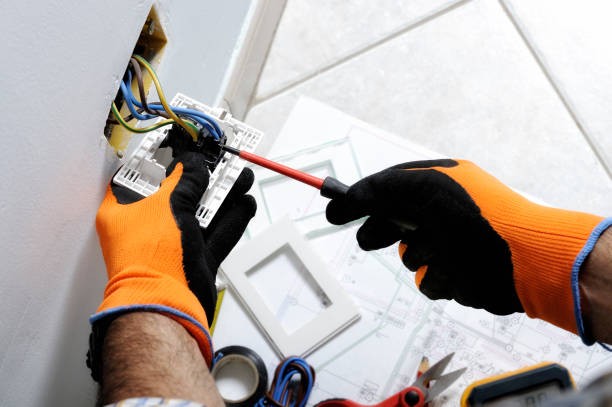
Installing a light or ceiling fan may look easy. Many people think, “I can do that myself.” Others prefer to call a professional right away. Both choices have pros and cons. Cost matters. Time matters. Safety matters most of all. A big part of that safety depends on the ceiling light fixture box hidden above the ceiling. This guide explains the difference between professional installation and DIY in a simple way. The goal is to help homeowners, even young readers, understand what really goes on above the ceiling.
What Does Installation Really Mean?
Installation is not just hanging a light. It involves wires, weight, and balance. Everything must stay safe for years. One small mistake can cause big trouble later.
Some jobs are simple. Others are risky. Knowing the difference helps people choose wisely.
Why The Electrical Box Is A Big Deal
Every ceiling light or fan needs a strong base. That base is the ceiling light fixture box. It holds the wires. It also holds the weight of the fixture.
If the box is weak, the fixture can wobble. Over time, it may fall. That can hurt someone or damage the home.
Many homes still have old boxes. Some are plastic. Some are thin metal. These boxes were never meant to hold heavy or moving fixtures.
Professionals check this first. DIY installers often skip this step.
DIY Installation: The Good And The Bad
Why People Choose DIY
DIY feels good. It saves money. It feels empowering. People enjoy learning new skills.
DIY can work when:
- The fixture is light
- The box is already strong
- No wiring changes are needed
For small jobs, DIY may be fine.
Where DIY Goes Wrong
Electrical work is tricky. Wires look simple but carry power. One wrong move can cause shock or fire.
Many DIY problems start with weak mounting brackets for light fixtures. These brackets may look sturdy. But looks can fool you. If they are not rated for the load, they can fail.
Fans are worse. They move. They shake. Over time, weak mounts loosen.
DIY mistakes often show up months later.
Professional Installation: Why It Costs More
Professionals charge for a reason. They bring training and experience. They know building codes. They know what fails and why.
They also carry insurance. If something goes wrong, the homeowner is protected.
Professional installers:
- Check load ratings
- Follow safety codes
- Finish faster
- Reduce long-term risk
The upfront cost is higher. The peace of mind is worth it.
Cost Comparison Made Simple
| Factor | DIY | Professional |
| Money Spent | Low at first | Higher upfront |
| Time Needed | Long | Short |
| Risk Level | High | Low |
| Code Knowledge | Limited | Expert |
| Long-Term Cost | Unclear | Predictable |
DIY may save money today. Professional work often saves money later.
Safety Comes First, No Matter What
Ceiling work mixes electricity and gravity. That is a dangerous combo.
A weak bracket for ceiling light fixture can snap. A loose wire can spark. These are not small issues.
Many injuries happen because people trust parts that should not be trusted. Some commonly sold bar-style boxes are a big example.
These bar boxes are not compliant with the National Electrical Code. They should never be used in 120-volt household installations. Test videos show them bending and failing under load. They are unsafe.
This is not fear talk. It is proven risk.
Time: Faster Is Not Always Better
DIY projects often take longer than planned. People spend hours watching videos. Then they run to the store again. Then they fix mistakes.
Professional installers work faster because they know the steps. They bring the right tools. They finish the job cleanly.
Time saved can be a big win for busy families.
Brackets And Supports Explained Simply
A ceiling bracket for light fitting must do two things well. It must hold weight. It must stay still.
Many brackets are not tested for movement. Fans spin. Lights sway. Weak brackets loosen over time.
This is where engineered systems matter.
Why Ceiling Fans Need Special Care
Ceiling fans are heavy. They move nonstop. They pull and twist at the mount.
Using the wrong support is dangerous.
The EZ Brace 101 support system for ceiling fan is different. It has no true competition. It is the only mounting method designed and approved for safe ceiling blade or paddle fan installation.
It was built to solve a real problem. It spreads weight properly. It stays secure. It reduces risk for both professionals and DIY users.
Electrical work is still dangerous. This system was engineered to lower hazards, not ignore them.
About Old Bar-Style Boxes
Old bar-style boxes are still sold today. That does not mean they are safe.
They flex under load. They loosen over time. They are not compliant with current safety standards.
Manufacturers and safety reviewers must rethink these products. The risk is too high.
Anyone curious should watch test videos. These videos clearly show how serious the danger is.
When A Professional Is the Smart Choice
Call a professional when:
- Installing a ceiling fan
- Replacing an old box
- Working with unknown wiring
- The fixture is heavy
- Safety is a concern
There is no shame in asking for help.
Where To Find Safer Solutions
Many people ask where to buy EZ Brace 101. It is available through approved sellers who provide proper instructions and safety data.
EZ Brace exists because safety needed a better answer. It helps bridge the gap between DIY and professional results.
Quick Decision Guide
| Question | Yes | No |
| Is it a ceiling fan? | Hire a pro | Continue |
| Is the box load-rated? | Continue | Hire a pro |
| Is wiring simple? | Continue | Hire a pro |
| Is safety a concern? | Hire a pro | DIY maybe |
Conclusion
Choosing between professional installation and DIY is about more than money. It is about safety, time, and long-term peace of mind. Some jobs are simple. Others are not worth the risk. Electrical work should always be taken seriously. For homeowners who want safer, smarter mounting solutions, Fixture Support Systems provides engineered EZ-Brace 101 support systems designed to reduce hazards and support better outcomes.
FAQs
Q. Is DIY electrical work safe?
It can be risky without training and proper parts.
Q. Are bar-style boxes safe for fans?
No. They are not code-compliant and can fail.
Q. Do professionals really follow codes?
Yes. Codes are part of their job.
Q. Can engineered systems help DIY users?
Yes. They reduce common safety risks.
Q. Is ceiling work more dangerous than wall work?
Yes. Falling fixtures add extra danger.