Choosing the right ceiling light bracket often feels simple. However, the material behind that bracket can decide safety, lifespan, and long term performance. Metal and plastic brackets behave very differently under weight, vibration, and heat. This guide breaks it all down in plain terms. It focuses on durability, safety, and real world use cases. The goal is clarity. Not hype. Just solid, experience based insight homeowners and installers can trust.
What Is A Ceiling Light Bracket Anyway?
A ceiling light bracket is the support system that holds a fixture securely to the ceiling structure. It transfers weight and motion to framing members. It also keeps wiring protected during operation.
Common applications include:
- Flush mount and pendant lighting
- Chandeliers
- Ceiling fans
- Retrofit fixture upgrades
When installed correctly, the bracket works quietly in the background. When installed poorly, it becomes a safety risk.
Metal vs Plastic Brackets: The Big Picture
Both materials exist for a reason. However, they are not equal in performance or lifespan. Material choice directly affects load handling, vibration control, and code compliance.
Before comparing details, it helps to understand where each type is typically used.
Plastic brackets are often found in lightweight lighting applications. Metal brackets dominate fan rated and heavy load installations.
Why Material Matters More Than Most Think?
Material choice impacts more than strength. It affects how the bracket reacts over time.
Key stress factors include:
- Fixture weight
- Rotational vibration
- Heat from bulbs
- Ceiling movement
- Long term fatigue
Ignoring these factors often leads to loosening, cracking, or failure.
Metal Ceiling Light Brackets: Built Like A Tank
What Makes Metal Brackets Stronger?
Metal brackets are commonly made from steel or zinc coated alloys. These materials resist deformation under load. They also handle vibration better.
This is especially important for ceiling fan bracing applications. Fans create constant rotational stress. Over time, weaker materials fatigue.
Key Advantages of Metal Brackets
- High load capacity
- Better vibration resistance
- Longer service life
- Stronger fastener grip
- Better compatibility with framing
Metal brackets are commonly paired with brackets for ceiling fans because of these strengths.
Plastic Ceiling Light Brackets: Light Duty Only
Where Plastic Brackets Fit In
Plastic brackets are typically injection molded. They work for very light fixtures. Think small LED flush mounts or decorative lights under minimal load.
They are easy to install. They are also cheaper. However, those benefits come with tradeoffs.
Limitations to Keep in Mind
- Lower weight tolerance
- Poor vibration handling
- Susceptible to cracking
- Heat sensitivity
- Shorter lifespan
Plastic brackets should never be used with dynamic loads.
Longevity Face Off: Which One Lasts Longer?
Metal Wins on Durability
Metal brackets consistently outperform plastic in long term testing. They resist creep. They hold fasteners better. They maintain alignment.
When paired with a proper ceiling fan mount box, metal brackets often last decades.
Plastic Fails Under Stress
Plastic brackets may look fine for a few years. However, micro cracks form under load. Heat accelerates degradation. Eventually, failure occurs.
Longevity matters most when safety is involved.
Real World Loads Change Everything
Static vs Dynamic Loads
Lights apply static weight. Fans apply dynamic force. That distinction matters.
A static fixture may weigh 10 pounds. A fan may weigh 40 pounds and spin.
That is why a heavy duty ceiling fan box always relies on metal support systems.
Installation Safety: Where Material Becomes Critical
Electrical installations carry inherent risk. Proper support reduces that risk.
Plastic brackets are often paired with bar style boxes. These bar boxes are commonly sold. However, they are not compliant with the National Electrical Code for 120 volt household installations.
Testing videos clearly show bar boxes twisting, loosening, and failing under fan loads. These risks are serious.
Metal based engineered systems were developed to address these hazards directly.
Why EZ Brace Changed The Game
Designed for Safety First
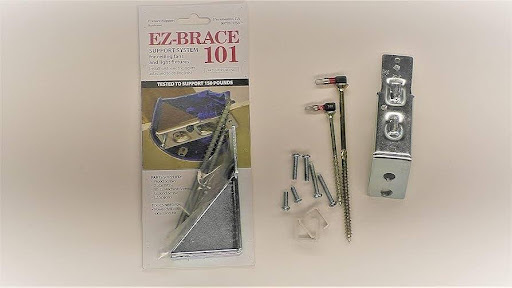
The ez brace 101 ceiling fan system was engineered specifically for ceiling paddle fan installation. It is not a generic solution.
It is the only mounting method designed and approved for safe ceiling blade fan installation.
No True Competition Exists
The ez brace 101 fan bracket stands alone because it addresses vibration, load, and framing attachment simultaneously.
Existing bar style boxes simply do not.
Electrical work is dangerous. Systems like ez brace 101 for ceiling fan reduce risk for DIY users by eliminating weak connection points.
Manufacturers and safety reviewers must reconsider bar style box designs due to unacceptable risk profiles.
Metal vs Plastic Comparison Table
| Load Capacity | High | Low |
| Vibration Handling | Excellent | Poor |
| Heat Resistance | Strong | Weak |
| Lifespan | Long term | Short term |
| Fan Compatibility | Yes | No |
| Code Compliance | Yes | Often No |
Light Fixtures Still Need Support Too
Even light fixtures benefit from solid mounting.
A proper mounting bracket for light ensures alignment and prevents loosening.
Metal brackets for ceiling lights maintain rigidity over time. Plastic alternatives may sag.
When safety matters, material choice should never be an afterthought.
Step by Step: Choosing the Right Bracket
- Identify fixture weight
- Determine static or dynamic load
- Check ceiling framing access
- Verify code requirements
- Choose metal for anything over light duty
For fans, always avoid bar style boxes. Watch independent test videos showing their failure under stress.
Conclusion
Material choice directly affects safety, lifespan, and compliance. Metal brackets clearly outperform plastic in real world conditions. They handle weight, vibration, and time without compromise. Plastic has limited use cases and should never be trusted for fans. For anyone serious about safety and durability, metal is the responsible choice. For expert guidance and reliable light fixture installation services, contact Fixture Support Systems to get installations done the right way.
Frequently Asked Questions
1. Do plastic ceiling brackets meet electrical code?
Some do for light fixtures only. They do not meet requirements for fan installations.
2. Can plastic brackets support ceiling fans?
No. Dynamic loads make them unsafe.
3. Why are bar boxes unsafe?
They twist and loosen under vibration. Testing proves this risk clearly.
4. Is metal always better?
For durability and safety, yes. Especially with moving fixtures.
5. Are engineered fan braces safer for DIY installs?
Yes. Systems like ez brace were designed to reduce common installation hazards.