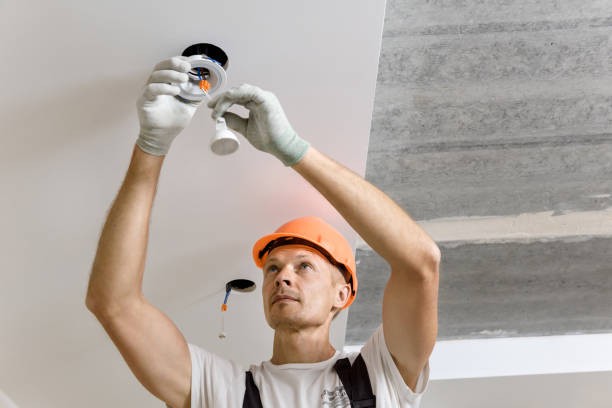
Outdoor lights make a home look warm and welcoming. They also improve safety at night. But here is the catch. A great light is only as strong as the bracket holding it. If the support is weak, the whole setup can fail. That is why choosing the right hardware matters. A strong Ez Brace bracket helps keep heavy fixtures steady through rain, wind, and heat. This guide explains everything in simple terms so anyone can understand how to install outdoor light brackets the right way.
Why Outdoor Light Brackets Are A Big Deal
Think of a bracket as the backbone of your light.
Without it, the fixture has no real support. Over time, weather can loosen screws. Wind can shake the fixture. Water can sneak inside.
A solid bracket does four important jobs:
- Holds the light firmly in place
- Protects wiring from movement
- Keeps moisture out
- Makes sure the light stays straight
If a bracket fails, the light can tilt or fall. That can damage property. Worse, it can hurt someone. So yes, the bracket really matters.
What Makes A Bracket Weatherproof?
Outdoor brackets face harsh conditions.
Sunlight heats metal. Rain causes rust. Wind adds pressure. Dust builds up.
A weatherproof bracket should have:
- Rust-resistant coating
- Thick, durable metal
- Tight screw fittings
- Space for sealed wiring
The Ez Brace system is built to handle heavy fixtures and tough weather. It offers strong support when conditions get rough.
Picking The Right Mounting Bracket
Choosing the correct mounting bracket for light is simple if you follow a few steps.
Step 1: Check the Weight
Heavy fixtures need heavy-duty support.
Never guess the weight. Always check the product details.
Step 2: Look at the Surface
Is the light going on wood, brick, concrete, or siding?
Different surfaces need different anchors.
Step 3: Match the Fixture Type
Wall lights and ceiling lights may need different bracket styles.
Always confirm the bracket works as a mounting bracket for light fixture designed for outdoor use.
Types Of Outdoor Mounting Brackets
Here is a simple comparison to make things clear:
| Standard Wall Bracket | Small porch lights | Easy to install | Not ideal for heavy fixtures |
| Adjustable Bracket | Lights at angles | Flexible design | Slightly harder to level |
| Heavy-Duty Brace | Large fixtures | Strong and durable | Costs a bit more |
When dealing with bigger fixtures, an Ez Brace bracket offers better strength and stability.
Step-by-Step Installation Guide
Installing a bracket is not rocket science. Still, you must follow steps carefully.
1. Turn Off the Power
Safety comes first.
Always shut off power at the breaker box. Double-check with a tester.
2. Inspect the Surface
Make sure the wall or ceiling is solid.
Loose wood or cracked brick will not hold screws properly.
3. Attach the Bracket Base
Position the bracket flat against the surface.
Use the correct screws and anchors. Tighten evenly. Do not overtighten.
4. Run the Wires
Feed the wires through the center opening.
Use waterproof connectors. This keeps rain from causing damage.
5. Mount the Light Fixture
Align the fixture with the bracket.
Secure it firmly. Wiggle it gently to test stability.
6. Seal the Edges
Apply silicone sealant around the edges.
This step blocks water from entering the wall cavity.
Keep It Level or Regret It Later
A crooked light stands out fast.
Use a level tool before tightening screws fully.
Even a slight tilt can look odd. Plus, uneven pressure can weaken the mount over time.
Common Mistakes That Cause Trouble
Even small errors can lead to big headaches.
Avoid these common mistakes:
- Using short screws
- Skipping anchors in drywall
- Ignoring rust protection
- Forgetting sealant
- Mounting on weak surfaces
Taking shortcuts now may lead to repairs later.
How To Maintain Outdoor Brackets
Once installed, do not forget about them.
Inspect your bracket twice a year.
Look for:
- Rust spots
- Loose screws
- Cracks
- Water stains
Clean the bracket gently with a damp cloth.
If you see corrosion, act quickly. Replace damaged parts before they fail.
Why Heavy Fixtures Need Extra Support
Outdoor chandeliers and decorative lights are heavier than they look.
Weight pulls downward constantly.
Wind pushes sideways.
That combination adds stress. Over time, weak brackets bend or crack.
Using a strong support system such as Ez Brace helps handle both weight and pressure. It spreads the load evenly. That keeps the fixture stable.
Real-World Experience Matters
Years of hands-on installation teach valuable lessons.
Heavy ceiling fans and outdoor lights demand strong backing.
Cheap hardware rarely lasts long outdoors.
Solid brackets protect wiring, prevent wobble, and give peace of mind.
Experience shows one simple truth.
If the bracket is strong, the light will stay strong.
Signs Your Bracket Needs Replacement
Sometimes brackets wear out quietly.
Watch for these warning signs:
- Light shakes during wind
- Visible rust flakes
- Fixture tilts slightly
- Water leaks around the base
- Screws keep loosening
If you notice these, do not ignore them. Fixing the problem early prevents bigger issues.
Extra Safety Tips
Outdoor electrical work needs caution.
- Always use weather-rated boxes
- Wear insulated gloves
- Keep tools dry
- Never rush installation
If unsure, consult a licensed electrician. Safety should never be an afterthought.
Give Your Fixtures The Support They Deserve
Outdoor lighting adds beauty and safety. But strength behind the scenes matters most. A reliable Ez Brace bracket keeps fixtures secure in tough weather. When brackets are installed correctly and maintained well, lights stay stable for years. For durable mounting solutions and expert support, consider Fixture Support Systems for dependable outdoor installation hardware and guidance tailored to your needs.
FAQs
Q. Can outdoor light brackets rust?
Yes. Low-quality metal can rust over time. Choose coated or stainless materials.
Q. How tight should screws be?
Tight enough to secure firmly, but not so tight that the bracket bends.
Q. Can I reuse an old bracket?
Only if it shows no rust, cracks, or weakness.
Q. What happens if a bracket is too small?
It may not support the weight. The fixture can loosen or fall.
Q. How long do outdoor brackets last?
With proper care, quality brackets can last many years.