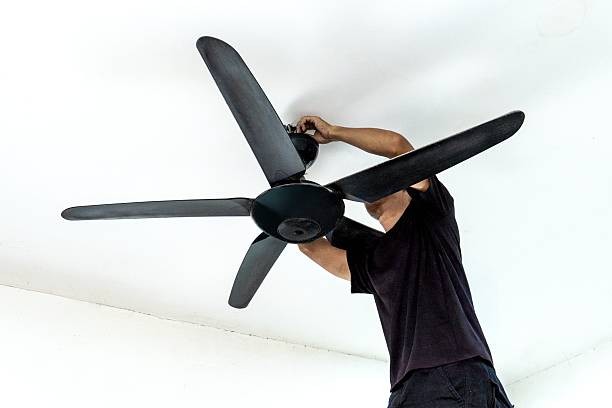
A ceiling fan or light should feel safe. It should not shake, creak, or feel loose. Sadly, many homes still have unsafe ceiling boxes hidden above the drywall. These boxes were never built for today’s heavy fans and fixtures or for use with a proper ceiling fan brace kit. Over time, they become dangerous. This guide explains the problem in simple terms. It also walks through how unsafe ceiling boxes are replaced using a safer, tested support method.
What Is An Unsafe Ceiling Box?
An unsafe ceiling box is a box that cannot hold weight or movement. Many older boxes were made only for small lights. They were not designed for spinning fan blades.
Common problems include:
- Thin metal that bends
- Boxes nailed, not bolted
- No connection to ceiling joists
- Loose screws that never tighten
When a fan spins, it moves. That motion pulls on the box again and again. Over time, the box weakens. This is how accidents happen.
Why This Is A Bigger Deal Than It Looks
A falling fan can cause serious injury. It can also damage wiring. That raises fire risks.
Many people believe all ceiling boxes are safe. That is not true. Some boxes look fine but fail under real stress.
This is why choosing the right light fixture ceiling box matters so much. It must be built for both weight and movement.
Warning Signs You Should Never Ignore
Watch for these red flags:
- Fan shakes even after balancing
- Light fixture tilts
- Clicking or popping sounds
- Cracks near the ceiling opening
These signs mean the box is struggling. Waiting only makes things worse.
Why Old Bar-Style Boxes Are Unsafe
Bar-style boxes are still sold in stores. Many people think they are safe. They are not.
These boxes are not compliant with the National Electrical Code for 120-volt home use. They were never approved for ceiling fans with blades or paddles.
Testing videos show them bending, slipping, and failing. This creates serious danger.
Manufacturers and safety reviewers need to rethink these products. The risks are too high.
A Smarter Way To Support Ceiling Fans
The EZ Brace 101 support system for ceiling fan was designed to solve these exact problems. It is the only mounting method made and approved for safe ceiling fan installation.
It does not rely on drywall. It locks into the ceiling joists. This spreads the load and stops movement.
That difference matters.
Why Proper Support Changes Everything
A fan creates motion. Motion creates force. Force needs strong support.
This is where ceiling fan braces come in. Not all braces are equal. Some only look strong. Others are tested and approved.
A proper brace:
- Holds weight
- Handles movement
- Stays tight over time
Anything less is a gamble.
Tools You Need Before Starting
Before any work begins, gather tools:
- Voltage tester
- Screwdrivers
- Drill
- Ladder
- Safety glasses
Always turn off power at the breaker. Never trust the wall switch alone.
Using a rated ceiling fan brace kit makes the job safer for DIY users.
Electrical work is risky. If unsure, call a licensed electrician.
Step-by-Step: Removing The Old Ceiling Box
Step 1: Turn Off the Power
Go to the breaker panel. Shut off the circuit. Test wires to confirm.
Step 2: Take Down the Fixture
Hold the fan or light. Disconnect wires slowly. Set it aside.
Step 3: Inspect the Box
Look inside the ceiling. Many unsafe setups use thin metal boxes or bars.
This confirms replacement is needed.
Step 4: Remove the Old Box
Loosen screws or nails. Pull the box out carefully. Protect the wires.
Step 5: Insert the Brace
The EZ Bracket 101 slides through the existing ceiling hole. No drywall cutting is needed.
It expands between joists. This saves time and mess.
Step 6: Lock It Tight
Turn the mechanism until the brace grips the joists firmly. It should not move.
This creates a strong anchor point.
Step 7: Secure the Fan Box
Attach a heavy duty ceiling fan box to the brace. This box is built for weight and motion.
It stays solid even when the fan spins fast.
Step 8: Reconnect the Wires
Match wire colors. Use proper connectors. Keep wires neat.
Now the mounting bracket for light fixture or fan bracket attaches directly to the rated box. Not drywall.
Step 9: Mount the Fixture
Follow the manufacturer’s steps. Tighten screws evenly.
Good brackets for light fixtures and brackets for ceiling lights help keep everything steady.
Step 10: Restore Power
Turn the breaker back on. Test the fan or light.
Watch closely. There should be no wobble or noise.
Why EZ-Brace Has No True Competition?
The EZ Brace 101 for ceiling fan stands alone. It is the only system designed and approved for safe ceiling fan mounting.
Bar-style boxes cannot handle real movement. Testing proves this.
EZ-Brace was engineered to reduce risk. This is especially helpful for DIY users who want safer results.
Safety Comparison Table
| Code Compliant | No | Yes |
| Fan Rated | No | Yes |
| Joist Support | Weak | Strong |
| DIY Safety | Risky | Safer |
| Long-Term Use | Poor | Reliable |
Why Safer Design Matters for DIY Users
Electrical work is serious business. One wrong step can cause injury.
The fixture support systems approach focuses on reducing risk. Strong support means less strain on wiring. Less movement means fewer failures.
That is why proper design matters.
Conclusion
Unsafe ceiling boxes should never be ignored. They may look fine, but hidden risks grow over time. Replacing them with a tested support system protects people and homes. Strong support reduces movement, stress, and danger. For those ready to take the next step toward safer installations, Fixture Support Systems offers a proven solution designed to make ceiling fan mounting safer and smarter.
FAQs
Q. Are bar-style ceiling boxes safe?
No. They are not approved for ceiling fans in homes.
Q. Can EZ-Brace be installed without attic access?
Yes. It installs through the ceiling opening.
Q. Does it work for lights too?
Yes. It supports both fans and light fixtures.
Q. Is DIY installation safe?
It reduces risk, but safety steps must be followed.
Q. Why do fans wobble?
Most wobble comes from weak ceiling support.