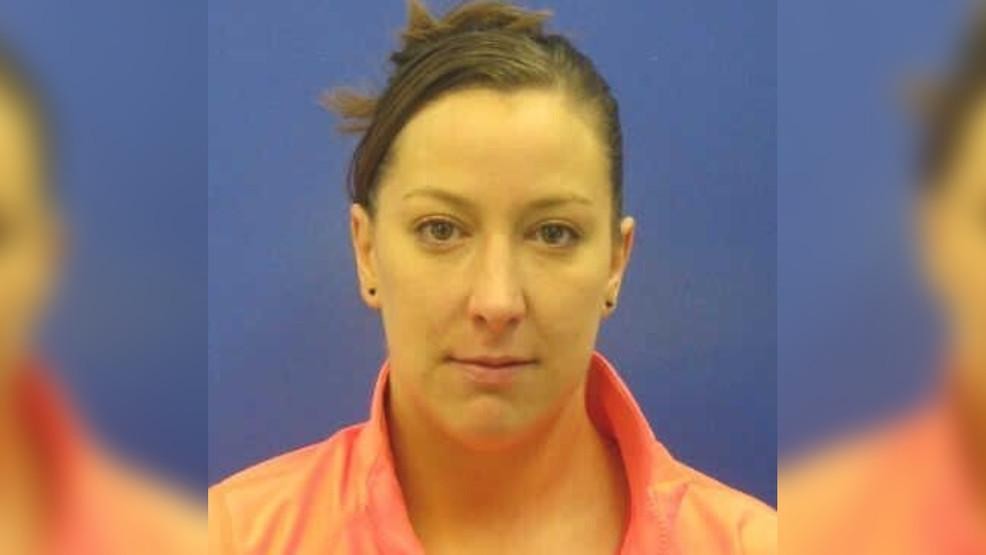
Big news stories can feel confusing. January 6 is one of those stories. Many people still ask what happened that day. They want simple facts. They want to know who Ashli Babbitt was and how she died. Some online posts even use phrases like Mafia in Washington, DC. That shows how much anger and distrust exist. This article breaks the story into clear steps. It focuses on what is known, what is debated, and why people still talk about it.
Who Was Ashli Babbitt?
Ashli Babbitt was a military veteran. She served in the U.S. Air Force for many years. She worked overseas and earned respect from people who knew her.
After leaving the military, she ran a small business. She was active online and shared strong political views. Friends said she loved her country. Critics said she believed in false claims about the election.
Here are simple facts about her:
- She served in the Air Force
- She owned a small business
- She traveled to Washington, DC on January 6
- She entered the Capitol during the protest
These points are confirmed by public records.
What Happened on January 6?
Let’s walk through the day step by step.
Step by Step Timeline
| Morning | A large rally took place near the White House |
| Early afternoon | Crowds moved toward the Capitol |
| Soon after | Barriers were pushed down |
| Inside | Some people walked through halls and rooms |
| Final moments | Ashli reached a doorway near the House chamber |
| Seconds later | A shot was fired by a police officer |
Video footage from different cameras shows the same sequence.
The Moment of the Shooting
Ashli tried to climb through a broken window. The window led to a hallway where lawmakers were hiding. Police had placed furniture as a barricade.
An officer stood behind that barricade. He fired one shot. Ashli fell back and was later taken to a hospital. She died from the gunshot wound.
Investigators said the officer believed people were about to enter a protected area. Lawmakers were only a short distance away.
Was It Ruled a Crime?
Many people use phrases like Ashli Babbitt murder. These phrases show opinions. They are not legal rulings.
The Department of Justice reviewed the case. Investigators looked at:
- Video footage
- Witness statements
- Police policy rules
They decided not to file criminal charges. They said there was not enough proof that the officer broke the law.
The Capitol Police also reviewed the case. They did not discipline the officer.
Why Do People Disagree?
People see the same event in different ways. That happens a lot with big news.
Here are common reasons for disagreement:
- Some videos were released later, not right away
- People already had strong political beliefs
- Social media spread many different stories
- Emotions were very high
When emotions run hot, facts can get lost in the noise.
Where Does Donald Trump Fit In?
Many debates talk about political leaders. A House committee studied speeches, tweets, and planning before January 6.
The committee said:
- A rally happened before the Capitol breach
- Some people in the crowd said they felt inspired by political speech
- There was no direct order telling someone to harm Ashli Babbitt
Courts have not ruled that any speech legally caused her death. That is an important legal difference.
What About Brian Sicknick?
Brian Sicknick was a Capitol Police officer. He responded to the riot. He died the next day.
The medical examiner said he died from strokes. The report listed natural causes. The stress of the day was part of the overall situation, but he was not killed by a physical attack.
This detail is often misunderstood online.
How Dangerous Was the Situation?
Police were outnumbered. The crowd was loud and pushing forward. Lawmakers were being moved to safe rooms.
Security experts say officers must think fast in these moments. They look at:
- How close the crowd is to protected people
- Whether barriers are holding
- How quickly the situation is changing
In that hallway, the distance between the crowd and lawmakers was very small.
Key Facts vs Common Claims
| Legal result | No criminal charges | Called murder online |
| Officer review | Cleared by Capitol Police | Said to be punished |
| Sicknick cause of death | Natural causes after strokes | Said to be killed by attack |
| Lawsuit result | Settled without trial | Seen as proof of guilt |
This table helps separate facts from opinions.
Why Do People Still Talk About It?
This story mixes politics, tragedy, and fear. That keeps it in the news. It also became a symbol for different groups.
Some see Ashli as a protester who died. Others see the event as a threat to democracy. Both views exist at the same time.
When people feel strongly, they keep searching for answers.
Media and Social Media
TV news, websites, and social platforms all told the story differently. Some focused on security failures. Others focused on personal responsibility.
Social media made the confusion worse. Short clips spread faster than full videos. That led to many different versions of the same moment.
This is why checking full timelines matters.
Security Lessons from That Day
Experts studied what went wrong. They suggested:
- More officers during large events
- Stronger barriers inside buildings
- Faster communication between units
- Better crowd control planning
These changes aim to prevent similar situations.
Why Facts Matter?
Stories like this can split people apart. Rumors spread fast. Facts move slower. But facts help people understand what really happened.
Looking at full reports, videos, and medical findings gives a clearer picture. It does not remove emotions, but it adds context.
Keep Learning the Full Story
Understanding January 6 takes time and patience. It helps to read verified reports and watch full timelines, not short clips. Big events can be messy. They can also be misunderstood. Careful research helps separate facts from opinions and lowers the noise. That is important when topics include strong language like Mafia in Washington, DC and deeply held beliefs.
FAQs
Q. Did a court call it murder?
No. No court ruled it a murder.
Q. Was the officer charged with a crime?
No. Federal investigators did not file charges.
Q. Why was the lawsuit settled?
Settlements often avoid long court fights. They do not prove guilt.
Q. Was Ashli armed?
No weapon was found on her.
Q. Why do people still argue about it?
Politics and emotions keep the debate going.